

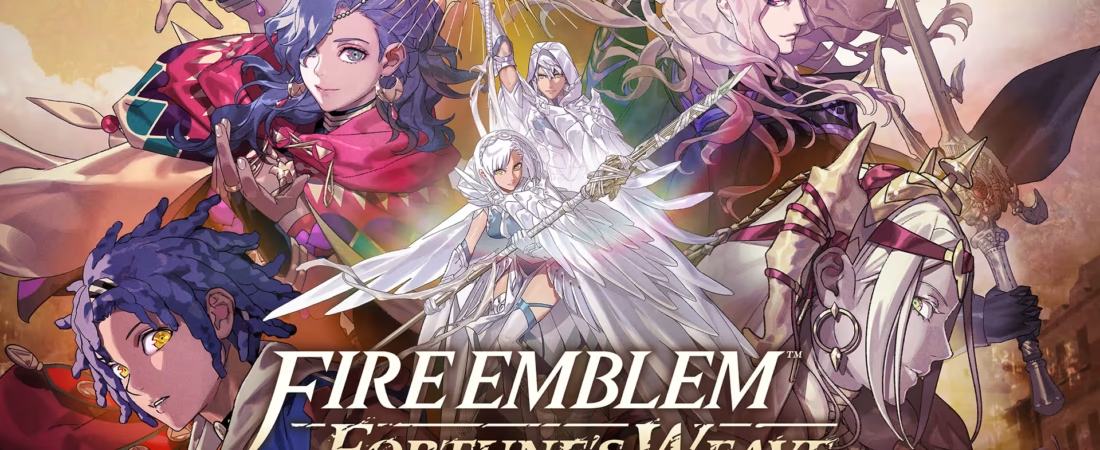
I’ve always found it interesting how much a game can change your opinion of it once you’ve seen the bigger picture. Something that might not have quite clicked initially can suddenly make sense when you understand where it’s going, and characters you might not have given a second thought to can become considerably more interesting when their stories start to intertwine with those around them. It’s a big part of what makes Fire Emblem: Fortune’s Weave such a fantastic experience, and one that I think is all the better for the way it approaches its storytelling.
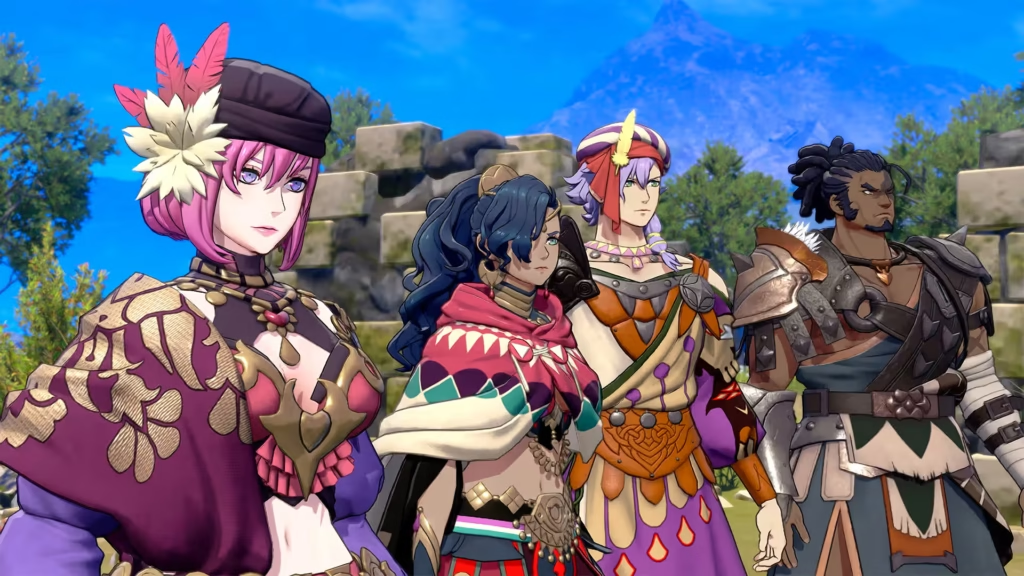
Rather than following a single group of characters from beginning to end, Fortune’s Weave splits its attention across four separate stories, each with its own cast, tone, and narrative to get invested in. It’s an approach that could quite easily have fallen flat, particularly when you consider just how much time you’re expected to spend with each of these groups, but there’s a real sense of satisfaction to be found in seeing how everything comes together. What initially feels like four distinct journeys gradually develops into something much bigger, and I found myself increasingly interested in how the pieces would eventually fit together as I made my way through the game.
There is, of course, one rather important catch here. You actually need to finish all four stories to get the most out of what Fortune’s Weave has to offer, and that’s a fairly substantial time commitment. I’m not someone who necessarily needs to see absolutely everything a game has to offer before I can call it a good time, but I do appreciate when the effort I put into an experience is rewarded, and there’s a definite payoff here for those willing to see things through. The problem is that asking players to invest that much time across four separate narratives means you need to give them a pretty compelling reason to stick around, and I’m not entirely convinced that every storyline manages to do that equally well.
That’s not to say there isn’t something here for everyone, mind you. One of the things I appreciate about the way Fortune’s Weave approaches its storytelling is that the different narratives have their own identities, meaning you’re not necessarily going to enjoy all four equally. Some will inevitably appeal to you more than others, whether that’s down to the characters involved, the tone of the story, or simply the sort of experience you’re looking for at that particular moment. I think that’s perfectly fine, and I’d much rather have four stories that try to do different things than four that all feel as though they’re following the same template.
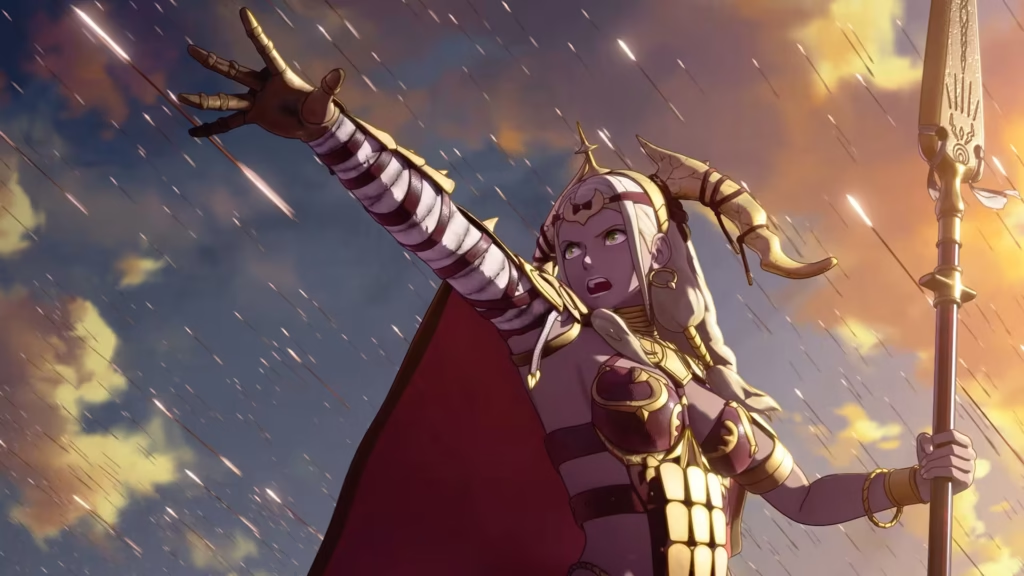
Unfortunately, there are some pretty noticeable differences in quality, and I found certain storylines considerably more engaging than others. When things are clicking, I was more than happy to keep playing, eager to find out what would happen next and how it might affect the wider narrative. At other times, I was far more interested in getting to the next big development than I was in the events unfolding in front of me. It’s a shame, particularly when the game asks so much of you in return for seeing everything through, but I never felt as though the weaker parts completely undermined the experience. There’s enough here to make the journey worthwhile, even if I wouldn’t necessarily put every one of its four stories on the same pedestal.
Where I did find myself getting a little frustrated, however, was with the sheer amount of social busywork that sits alongside the main experience.
Now, I understand the appeal. Getting to know your allies has always been an important part of Fire Emblem, and I’m certainly not against the idea of giving players more opportunities to spend time with the characters they’re fighting alongside. These are the people you’re going to be spending a considerable amount of time with, after all, so giving them a bit of personality outside of battle makes perfect sense. There’s a reason character interactions have become such an important part of the series, and I wouldn’t want to see them disappear entirely.
But there’s a difference between giving me a reason to care about these characters and making me feel as though I need to keep up with their social calendars.
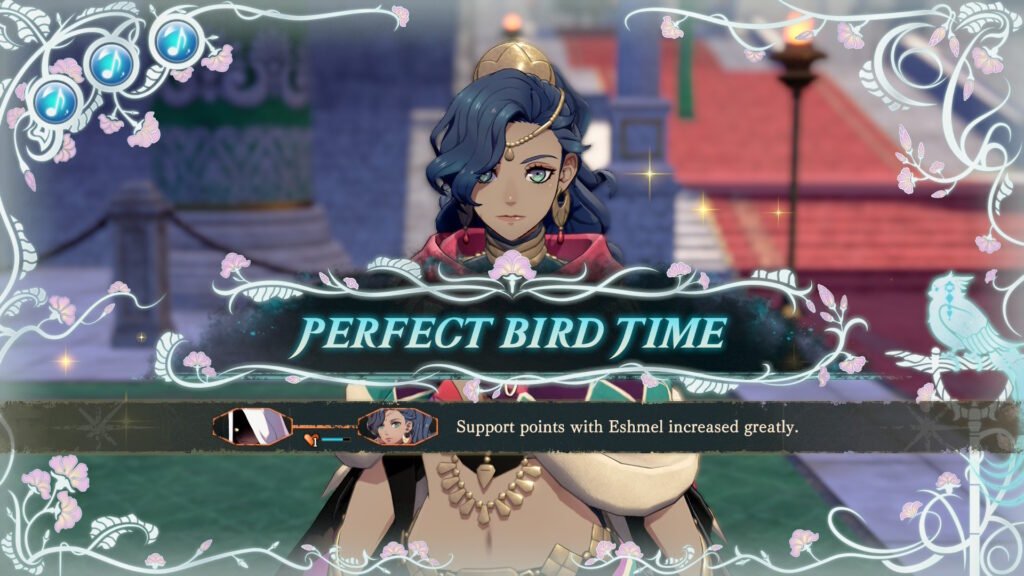
At some point, I found myself spending more time feeding potential allies, giving cookies to those with a sweet tooth, and working through various other activities than I actually wanted to. And honestly? I got tired of it pretty quickly. I appreciate what these mechanics are trying to achieve, but I don’t need every character interaction to come with another little task attached to it. Sometimes, I just want to get on with the story, fight some battles, and see where things go without feeling as though I’ve got a list of chores waiting for me every time I return to the hub.
It’s particularly frustrating because I don’t think Fortune’s Weave needs all of this extra stuff to make its characters interesting. The four main narratives already give you plenty of opportunities to get to know the people involved, and I found myself much more interested in seeing those relationships develop naturally than in working through activities simply because they were available. When I started treating these interactions as something to get out of the way rather than something to look forward to, I knew something wasn’t quite clicking.
Perhaps I’m just getting a little old-fashioned when it comes to what I want from my Fire Emblem games, but I found myself yearning for Fire Emblem Awakening and Fire Emblem Engage instead. Neither game is without its own quirks, and I’m not suggesting that either has perfected the formula, but I found myself missing the balance they struck between character interactions and the actual business of playing Fire Emblem. I don’t need a dozen different ways to spend time with my allies to feel connected to them, and I’d much rather the game give me a handful of meaningful interactions than ask me to repeatedly engage with systems that start to feel like busywork almost immediately.
Not every game needs to have a million different things to do, and I think that’s something developers could stand to remember a little more often. More content doesn’t necessarily mean a better experience, especially when that content starts getting in the way of the things that made you want to play the game in the first place. I’d happily sacrifice some of these activities if it meant spending more time with the parts of Fortune’s Weave that I genuinely enjoy. There’s nothing wrong with letting a game breathe a little, and I don’t think every spare moment needs to be filled with another mechanic to keep me occupied.
On a much smaller note, I do wish Fortune’s Weave ran at 60fps on Switch 2 rather than the 30fps we’re currently getting. This is hardly something that’s going to make or break the experience, and I certainly wouldn’t suggest that the game is somehow unplayable as a result. Still, it’s one of those things that I couldn’t help thinking about throughout my time with it. The Switch 2 is more than capable hardware, and while I appreciate that performance isn’t always as straightforward as we’d like to think, I’d have loved to see the extra smoothness that 60fps would bring.
It’s a minor gripe, all things considered, and one that pales in comparison to the things Fortune’s Weave gets right. But when you’re playing a game on new hardware, it’s difficult not to wonder whether a little more could have been done. I wouldn’t let it put you off, though, and it certainly didn’t stop me from enjoying my time with the game.
Ultimately, Fire Emblem: Fortune’s Weave is a fantastic game, even if I have a few reservations about the way it spends its time. Its four intertwined stories make for a compelling overall experience, and seeing everything come together is a genuinely rewarding payoff for those willing to put in the hours. I just wish the journey there was a little more consistent, both in terms of the quality of its individual narratives and the amount of unnecessary busywork you’re expected to get through along the way.
For all my complaints, I came away with a great deal of appreciation for what the game achieves. I just don’t think it needed quite so many bells and whistles to get there. Give me the characters, give me the battles, and give me a story worth sticking around for. Fortune’s Weave has all three of those things in spades, and when it gets them right, it’s easy to see why it’s such a special entry in the series. I just wish it had a little more faith in those strengths, rather than occasionally getting in its own way.
Verdict
Fire Emblem: Fortune’s Weave is a fantastic game, even if I have a few reservations about the way it spends its time. Its four intertwined stories make for a compelling overall experience, and seeing everything come together is a genuinely rewarding payoff for those willing to put in the hours. I just wish the journey there was a little more consistent, both in terms of the quality of its individual narratives and the amount of unnecessary busywork you’re expected to get through along the way.
